

Best Roofing Materials for Tequesta Homes: A Coastal Guide
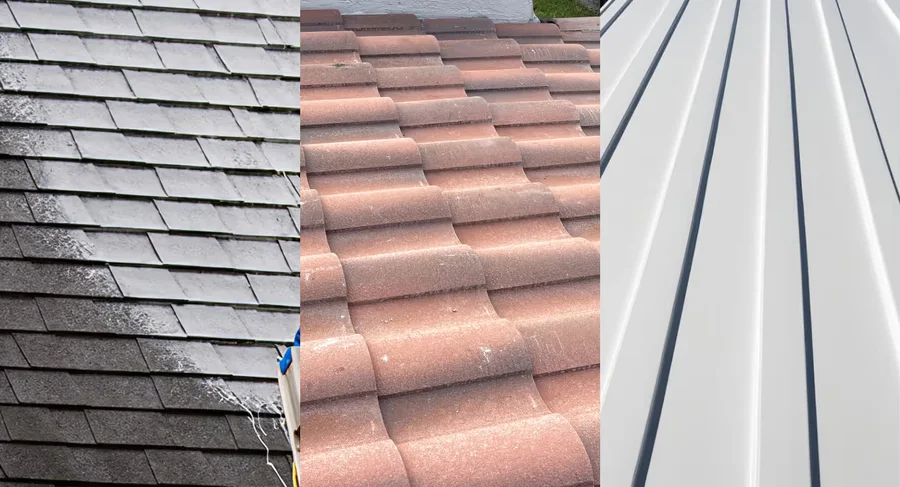
Choosing a roofing material is one of the most significant decisions a Tequesta homeowner can make — and one of the most consequential if made without the right information. The wrong material in this environment doesn't just underperform. It fails early, costs more over time, and in some cases creates structural vulnerabilities that compound through a roof's life.
Tequesta's position at the northern edge of Palm Beach County, where the Loxahatchee River meets the Intracoastal Waterway just miles from the Atlantic, creates a set of environmental demands that are genuinely distinct from inland Florida — let alone the rest of the country. Salt-laden air, high sustained wind exposure, intense year-round UV radiation, and a hurricane season that requires serious consideration of wind uplift and impact resistance all factor into what makes a roofing material appropriate for this location.
This guide breaks down the primary roofing materials available to Tequesta homeowners — tile, metal, asphalt shingle, and flat roofing systems — covering how each performs in coastal conditions, what they cost, how long they last, and what questions to ask before making a decision.
What Makes Tequesta Different
Before comparing materials, it's worth being specific about what the environment here actually demands of a roofing system, because these factors should drive every material decision.
Salt air corrosion is the first and most persistent factor. Properties within a few miles of open water face accelerated oxidation on metal components — fasteners, flashing, ridge caps, and any exposed metalwork. A roofing system that uses low-grade fasteners or untreated metal components will begin showing corrosion failure long before the primary roofing material itself wears out. Everything connected to your roof needs to be specified for coastal exposure.
Wind uplift is the second major consideration. Tequesta's open coastal position means it regularly experiences higher sustained winds than inland communities — and during hurricane season, the risk of extreme wind events is real and not theoretical. Florida's building code sets minimum wind uplift requirements, but minimum compliance and optimal performance are not the same thing. Roofing material selection, fastener patterns, and installation technique all affect how a roof system performs under wind load.
UV intensity compounds both of the above. South Florida's year-round sun degrades roofing materials at a rate that surprises homeowners who've lived in other parts of the country. Materials and coatings that perform well in northern climates often have meaningfully shorter service lives here due to UV-driven degradation of binders, coatings, and sealants.
Finally, Tequesta's housing stock skews older and tends toward Mediterranean-influenced architecture — tile roofs, barrel roofs, stucco walls, and design profiles that aren't always compatible with every roofing material or installation approach. Material selection needs to account for what the existing structure can support, what the HOA permits, and what is architecturally appropriate for the property.
Clay and Concrete Tile
Clay and concrete tile is the dominant roofing material in Tequesta and across coastal Palm Beach County, and for good reason. It performs well in the specific conditions of this environment, it's architecturally compatible with the Mediterranean and coastal styles that define the area's residential character, and it carries the longest service life of any commonly available residential roofing material.
Clay tile — the traditional fired terracotta product — is particularly well suited to coastal environments. It doesn't corrode, doesn't degrade under UV exposure, and doesn't react to salt air the way metal components do. Properly installed clay tile roofs in South Florida regularly achieve 50 years of service life, and in some cases considerably more. The material itself is essentially inert in the face of the environmental factors that damage other roofing products.
Concrete tile offers similar architectural profiles at a lower material cost, though it's heavier than clay and somewhat more susceptible to moisture absorption over time. In Tequesta's high-humidity environment, concrete tile that isn't properly coated or maintained can develop surface staining from algae and mildew, though this is a cosmetic rather than structural concern in most cases.
The vulnerabilities of tile roofing systems in coastal conditions tend to lie not in the tile itself but in the system components around it. The underlayment — the waterproofing layer between the tile and the roof deck — degrades over time and is the most common source of tile roof leaks in aging Florida homes. The mortar used at ridges, hips, and rakes can crack and fail as it ages and as the structure moves, creating entry points for water and wind-driven debris. Fasteners and flashing need to be specified for coastal corrosion resistance.
For Tequesta homeowners considering tile, the key questions are about system specification, not just the tile itself. What underlayment is being used, and what is its rated service life? How are the ridge and hip caps being set? What fastener material is specified? A tile roof installed with inferior system components will fail well before the tile warrants it.
Cost ranges for tile roof replacement in Tequesta run from approximately $18,000 to $35,000 or more depending on roof size, pitch, tile profile, and complexity. The investment is substantial, but the service life and the alignment with Tequesta's aesthetic and HOA requirements make it the default choice for most homeowners in the area.
Metal Roofing
Metal roofing has gained significant ground in coastal Florida over the past two decades, and the reasons are straightforward: it performs exceptionally well under wind load, it's highly resistant to UV degradation when properly coated, and modern metal roofing systems have largely addressed the corrosion vulnerabilities that made earlier generations of the product a concern in marine environments.
Standing seam metal is the premium option in this category. In a standing seam system, the metal panels interlock at raised seams and are attached to the roof deck with concealed fasteners — no exposed fastener heads to corrode, back out, or allow water infiltration. This is a meaningful advantage in Tequesta's environment, where exposed fasteners are a chronic maintenance and leak point on older metal roofing systems.
For coastal applications, the alloy and coating specification matters enormously. Galvanized steel is adequate for many Florida applications but can show corrosion at cut edges and compromised coating areas in high-salinity environments. Galvalume — a zinc-aluminum alloy coating — offers meaningfully better corrosion resistance and is the more appropriate specification for properties close to open water. Aluminum roofing panels are inherently corrosion-resistant and are often the right choice for Tequesta's most exposed waterfront properties, though they require careful fastener and flashing specification to avoid galvanic corrosion where dissimilar metals contact each other.
Coatings on metal roofing panels need to be UV-stable and appropriate for coastal exposure. Kynar 500 and similar PVDF-based finishes are the industry standard for premium metal roofing in demanding environments — they offer far better fade, chalk, and UV resistance than standard polyester coatings and should be specified for any Tequesta metal roofing project.
Metal roofing offers one additional advantage worth noting for Tequesta homeowners: energy performance. Reflective metal roofing can significantly reduce solar heat gain, lowering cooling costs in a climate where air conditioning runs essentially year-round. This is a meaningful long-term financial consideration alongside the material and installation cost.
Standing seam metal roofing in Tequesta typically runs from $22,000 to $40,000 or more depending on roof size and complexity. Service life with proper specification and maintenance is 40 to 70 years, making it one of the strongest long-term value propositions available.
The aesthetic consideration worth acknowledging is that standing seam metal has a contemporary profile that is not compatible with all HOAs or all architectural styles. Some Tequesta communities with strong Mediterranean character guidelines will restrict or prohibit metal roofing on visible elevations. Confirm with your HOA before proceeding.
Asphalt Shingles
Asphalt shingles are the most common roofing material in the United States and the most affordable entry point for roof replacement in virtually every market. In Tequesta, they warrant honest discussion — including their limitations in this specific environment.
The case for asphalt shingles in Tequesta is primarily economic. A quality architectural shingle roof costs significantly less than tile or standing seam metal, and for homeowners with a shorter planning horizon — those who expect to sell within a decade, for instance — the cost difference relative to a tile or metal system may not be justified by the return.
The limitations are real, however, and Tequesta homeowners should understand them before making a decision on price alone.
Service life in coastal South Florida is shorter than manufacturer ratings suggest. Asphalt shingles are rated for 25 to 30 years under standard conditions, but the combination of UV intensity, heat cycling, and humidity in this environment regularly reduces actual service life to 15 to 20 years. The asphalt binder that holds the granules in place degrades under UV exposure — granule loss accelerates, the shingle dries and becomes brittle, and resistance to wind and impact diminishes.
Wind resistance is the other significant concern. While impact-resistant and high-wind rated shingles exist and are required by Florida building code for new installations and replacements, asphalt shingles are generally more susceptible to wind damage than tile or metal in the wind events Tequesta can experience during hurricane season. This affects both the actual performance of the roof and, increasingly, insurance considerations — some Florida insurers have become reluctant to write or renew policies on asphalt shingle roofs in coastal counties.
If asphalt shingles are the right economic decision for your situation, the specification matters. Choose a Class 4 impact-resistant architectural shingle rated for the wind zone Tequesta falls within. Use a high-quality synthetic underlayment rather than felt. Specify stainless steel or hot-dipped galvanized fasteners for coastal corrosion resistance. These details extend service life and performance in ways that are worth the modest additional cost.
Asphalt shingle replacement in Tequesta typically runs from $10,000 to $20,000 depending on roof size and complexity — meaningfully less than tile or metal, with a correspondingly shorter expected service life.
Flat and Low-Slope Roofing Systems
Many Tequesta homes — particularly those with modern architecture or additions — include flat or low-slope roof sections that require different treatment than pitched roofs. This category encompasses a range of systems, the most common in coastal Florida being TPO membrane, modified bitumen, and spray polyurethane foam (SPF) with a protective coating.
TPO — thermoplastic polyolefin — is a single-ply membrane that has become the dominant flat roofing material in both residential and commercial applications over the past two decades. It offers good UV resistance, good flexibility through temperature cycling, and heat-welded seams that provide a continuous waterproof barrier without the lap sealants that can fail on older membrane systems. For Tequesta homes with flat sections, TPO is typically the most appropriate starting point.
Modified bitumen is an asphalt-based sheet membrane that has been reinforced with polyester or fiberglass and modified with polymers to improve performance. It's a proven system with a long track record in Florida and can be installed in several configurations. In coastal environments, torch-applied systems can sometimes cause adhesion concerns in high heat, so cold-applied or self-adhered systems are often preferable for Tequesta conditions.
Spray polyurethane foam creates a seamless, adhered insulation and waterproofing layer that eliminates the seams and laps that are the primary failure points in other flat roofing systems. When properly coated with an elastomeric or silicone topcoat and maintained on the appropriate schedule, SPF roofing can be a long-lived and energy-efficient solution for flat sections of Tequesta homes. The maintenance requirement is real, however — SPF roofs need to be recoated on a schedule, and deferred maintenance can compromise the system.
For any flat or low-slope section, drainage design is critical. Pooling water is the primary enemy of flat roofing in Florida's high-rainfall environment, and a system that doesn't drain effectively will have a significantly reduced service life regardless of the membrane specified.
The HOA Question
Material selection in Tequesta can't be made in isolation from HOA requirements, and this point deserves emphasis because it's the source of significant expense and frustration when homeowners discover the constraint after they've already committed to a direction.
Many of Tequesta's residential communities have design guidelines that specify approved roofing materials, colors, and profiles. Some require clay or concrete tile on all visible elevations. Some restrict metal roofing or limit it to specific profiles and color families. Some have approved color palettes that limit the range of tile or shingle options that can be selected.
HOA approval processes also take time — in some communities, several weeks or more. Submitting for approval before selecting a contractor and scheduling a job is always the right sequence, and a local contractor who regularly works in Tequesta's communities will understand this process and be able to help you navigate it efficiently.
Making the Decision
The right roofing material for a Tequesta home depends on a combination of factors that are specific to your property: its architectural style, its proximity to open water, the age and condition of the existing structure, your HOA's requirements, your planning horizon, and your budget.
There is no single correct answer that applies to every Tequesta home, but there are wrong answers — materials specified without regard for coastal performance requirements, system components that aren't rated for a marine environment, or choices made purely on initial cost without accounting for the service life and maintenance implications over time.
What every Tequesta roofing decision benefits from is honest, knowledgeable guidance from a Tequesta roofing contractor who has been working in this specific environment long enough to have seen how different materials and system specifications actually perform over decades — not just at installation.