
What is Standing Seam Metal Roofing?
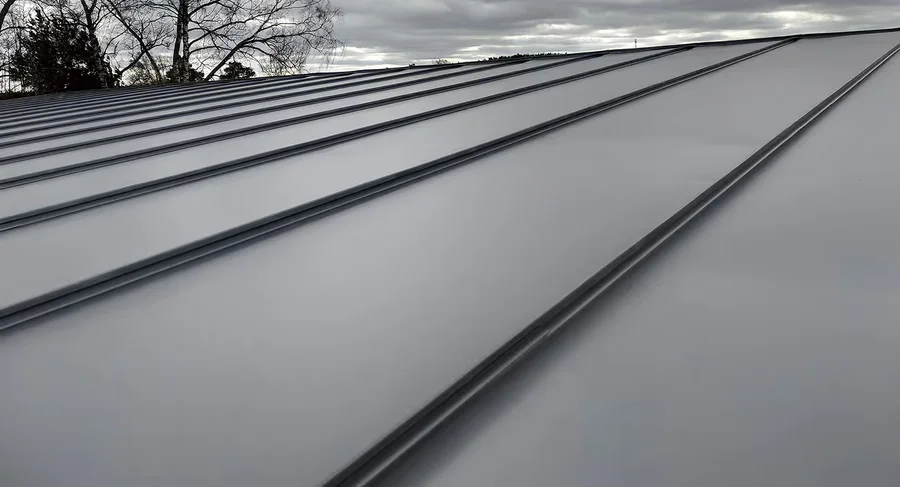
If you're exploring durable, long-lasting roofing options for your home or business, you've likely encountered the term "standing seam metal roofing." But what exactly is it, and what makes it different from other metal roofing systems? Standing seam metal roofing is a premium roofing system defined by long, vertical metal panels joined together by raised interlocking seams. These seams run continuously from the ridge of the roof down to the eaves, creating a streamlined appearance while serving a critical functional role. Unlike traditional roofing materials that rely on overlapping layers or exposed fasteners, standing seam metal roofing is engineered as a unified system designed to reduce leak risk, withstand environmental stress, and deliver long-term performance. For a comprehensive overview of standing seam metal roofing benefits, costs, and installation considerations, read our complete guide in our Standing Seam Metal Roofing Overview article.
The Defining Features of Standing Seam Metal Roofing
The name "standing seam" refers to the vertical seams that stand up from the flat surface of the roof. These raised seams are what distinguish this system from other metal roofing types, such as corrugated metal or metal shingles. The panels themselves are long, narrow sections of metal—typically steel or aluminum—that run vertically from the roof's eave to its ridge. Each panel edge is specially formed to connect with the adjacent panel, creating a continuous interlocking system that covers the entire roof surface.
The seams are not just aesthetic; they perform essential functions. By sitting above the flat panel surface, they help direct water away from vulnerable areas and prevent moisture from pooling or seeping into the roof assembly. The interlocking design also improves wind resistance, as panels are mechanically joined rather than simply overlapped. This engineered connection provides superior performance in high-wind environments, making standing seam metal roofing a popular choice in storm-prone regions.
Concealed Fastener Design: A Key Advantage
One of the most important distinctions of standing seam metal roofing is its concealed fastener system. Traditional asphalt shingles use exposed nails that penetrate through the roofing material, and many metal roofing systems rely on visible screws driven directly through the panel surface. Over time, these exposed fasteners can become loose, corrode, or allow water to infiltrate the roof structure.
Standing seam systems eliminate this vulnerability. Fasteners are hidden beneath the seams or within specialized clip systems that attach to the roof deck. The panels then snap or crimp over these clips, completely concealing the fasteners from weather exposure. This design significantly reduces the risk of leaks caused by fastener deterioration and minimizes the number of penetration points in the roof surface. For property owners considering residential standing seam metal roofing or commercial standing seam metal roofing upgrades, this feature alone can justify the investment in a standing seam system.
How the Panels Connect: Seam Types Explained
Standing seam metal roofs use different seam profiles depending on the application, climate requirements, and aesthetic preferences. The most common seam types include snap-lock, mechanically seamed, and batten seam systems.
Snap-lock seams feature panels that snap together without requiring special tools. The male edge of one panel clicks into the female edge of the adjacent panel, creating a secure connection. This system allows for faster installation and is often used in lower-slope or residential applications where ease of installation is a priority.
Mechanically seamed systems use a seaming tool to fold the two panel edges together, creating a tighter, more weather-resistant connection. This type of seam is typically used in areas with extreme weather conditions or on roofs with very low slopes where water resistance is critical. The mechanical seam creates a stronger lock and provides superior protection against wind-driven rain.
Batten seam systems use a raised cap or batten that covers the seam, adding an extra layer of protection and creating a more pronounced visual appearance. This system is often selected for architectural projects where the roof design is a prominent feature.
Materials Used in Standing Seam Metal Roofing
Standing seam metal roofs are typically made from steel or aluminum, though copper and zinc are also used in high-end applications. Each material offers distinct advantages depending on climate, budget, and performance requirements.
Steel panels are the most common choice. They are typically coated with Galvalume (a combination of aluminum and zinc) or galvanized zinc to protect against corrosion. Steel offers excellent strength and durability at a relatively affordable price point. Painted finishes in a wide range of colors allow homeowners to match their architectural style while adding an additional layer of UV and corrosion protection.
Aluminum panels are lighter than steel and naturally resistant to corrosion, making them ideal for coastal environments where salt air accelerates metal deterioration. While aluminum is more expensive than steel, its longevity in harsh climates often justifies the cost.
Copper and zinc are premium materials used primarily in custom homes, historic restorations, and high-end commercial projects. These metals develop a natural patina over time, creating a distinctive appearance. They are also extremely long-lasting, with lifespans that can exceed a century when properly installed.
Thermal Movement and Expansion Capabilities
Metal roofing materials expand when heated and contract when cooled. Unlike asphalt shingles or other static roofing systems, standing seam metal roofs are specifically designed to accommodate this thermal movement. The concealed clip systems allow panels to move slightly as temperatures fluctuate, preventing warping, buckling, or fastener stress that can occur in fixed systems.
This ability to "float" on the roof deck is one reason standing seam systems perform so well over time. The roof can respond to temperature changes without compromising structural integrity, reducing the risk of premature failure and extending the roof's overall lifespan.
Weather Performance and Longevity
Standing seam metal roofing is engineered to handle the toughest environmental conditions. The vertical panel orientation promotes efficient water drainage, reducing the risk of leaks even during heavy rainfall. The raised seams further enhance water resistance by keeping moisture away from the panel surface and directing it toward gutters and downspouts.
Wind resistance is another major strength. The interlocking panel design and concealed fastener system create a continuous barrier that resists uplift forces. Standing seam roofs have been tested to withstand winds exceeding 140 miles per hour, making them suitable for hurricane-prone and high-wind regions.
In terms of longevity, standing seam metal roofs commonly last 40 to 70 years or more when properly installed and maintained. This far exceeds the lifespan of asphalt shingles, which typically need replacement every 15 to 30 years. The combination of durable materials, protective finishes, and a design that minimizes failure points contributes to this exceptional performance.
Aesthetic Versatility
While standing seam metal roofing is prized for its performance, it also offers significant aesthetic appeal. The clean, vertical lines create a modern, streamlined appearance that complements contemporary architecture. At the same time, the system is adaptable enough to work with traditional home styles, especially when paired with appropriate color choices and trim details.
Color options have expanded dramatically in recent years. Homeowners can choose from earth tones, bold colors, or metallic finishes to match their design vision. Many manufacturers also offer textured or matte finishes that reduce glare and add visual depth.
Is Standing Seam Metal Roofing Right for Your Project?
Standing seam metal roofing represents a premium investment in long-term protection and performance. It is especially well suited for homeowners and building owners who prioritize durability, low maintenance, and resistance to extreme weather. The concealed fastener design, thermal expansion capabilities, and superior material quality make it an excellent choice for both residential roofing and commercial roofing applications.
Understanding what standing seam metal roofing is—and how it differs from other roofing systems—helps property owners make informed decisions based on performance, longevity, and total cost of ownership. At Talbot Companies, we specialize in helping clients navigate these choices and deliver roofing solutions built to last. Contact us today to discuss whether standing seam metal roofing is the right fit for your project.