
Standing Seam Metal Roofing Cost Considerations
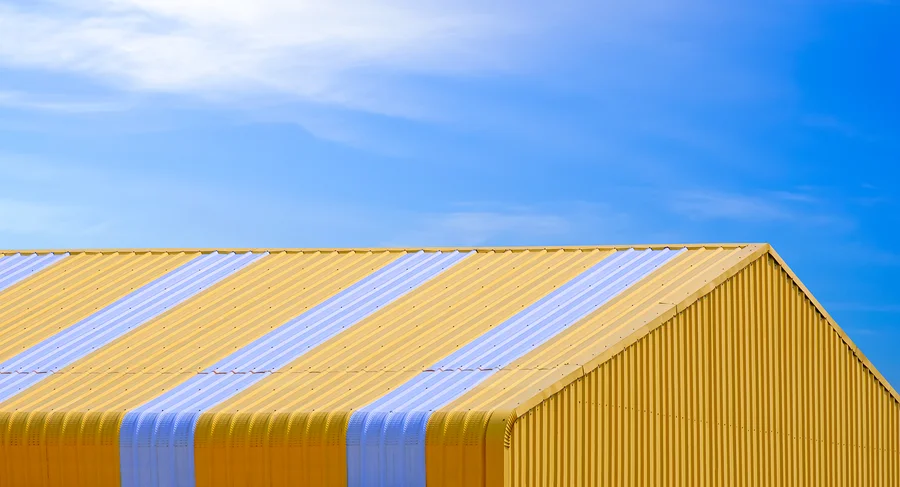
Standing seam metal roofing is widely considered a premium roofing option, and its cost reflects both the quality of materials and the performance benefits it delivers. While it requires a higher upfront investment than traditional asphalt shingles, many property owners find that the long-term value justifies the initial expense. Understanding what drives standing seam metal roofing costs - and how to evaluate the investment against alternatives - helps homeowners and building owners make informed decisions based on total lifetime value rather than upfront price alone. To learn more about standing seam metal roofing benefits, lifespan, and installation considerations, visit our standing seam metal roofing overview article.
Average Cost Range for Standing Seam Metal Roofing
Standing seam metal roofing typically costs between $12 and $18 per square foot installed, though prices can range from $10 to $25+ per square foot depending on material selection, roof complexity, geographic location, and contractor expertise. For a typical 2,000 square foot roof, homeowners should expect to invest between $24,000 and $36,000 for a complete installation, with some projects reaching $50,000 or more for premium materials or complex roof designs.
This pricing represents a significant premium over asphalt shingles, which typically cost $3.50 to $7.00 per square foot installed. However, direct price comparisons between roofing systems can be misleading without considering lifespan, maintenance requirements, energy efficiency, and total cost of ownership over the roof's lifetime.
For commercial applications, costs may vary even more significantly based on building size, accessibility, project scheduling, and performance specifications. Property owners considering commercial roofing upgrades should request detailed proposals that account for all project-specific factors rather than relying on industry averages.
Material Costs: What Drives the Price
The type of metal used for standing seam panels represents one of the largest cost variables. Each material offers different performance characteristics, aesthetic qualities, and price points.
Steel panels with Galvalume coating are the most economical option, typically costing $8 to $12 per square foot installed. Galvalume combines aluminum and zinc to provide excellent corrosion resistance at an affordable price. Steel offers superior strength and wind resistance, making it suitable for most residential and commercial applications. The relatively lower cost makes steel an attractive option for budget-conscious property owners who still want the benefits of standing seam metal roofing.
Aluminum panels typically cost $10 to $15 per square foot installed. Aluminum's natural corrosion resistance makes it ideal for coastal environments where salt air accelerates metal deterioration. While more expensive than steel, aluminum's performance advantages in harsh conditions often justify the additional investment. Aluminum is also lighter than steel, which can reduce structural support requirements in some applications.
Copper panels represent the premium end of the market, with costs ranging from $18 to $30+ per square foot installed. Copper develops a distinctive patina over time and can last well over 100 years with minimal maintenance. Its exceptional longevity and aesthetic appeal make it popular for high-end residential roofing projects, historic restorations, and architecturally significant buildings. The material cost alone accounts for much of the price difference, as copper is significantly more expensive than steel or aluminum.
Zinc panels fall into a similar price range as copper, typically $20 to $28 per square foot installed. Like copper, zinc develops a protective patina and offers exceptional longevity. It's particularly popular in contemporary architectural designs and sustainable building projects.
Coating and Finish Options Impact on Cost
Beyond the base metal selection, coating systems and paint finishes significantly affect total project cost while also influencing long-term performance and appearance retention.
Standard polyester paint finishes add minimal cost to steel or aluminum panels but offer limited UV resistance and color retention. These finishes typically carry 20 to 25-year warranties and may show visible fading or chalking within 15 to 20 years. While economical upfront, they may require earlier replacement or refinishing compared to premium coatings.
PVDF (Kynar 500 or Hylar 5000) paint systems add approximately $1.50 to $3.00 per square foot to the project cost but provide superior UV resistance, color retention, and chalk resistance. These premium finishes typically carry 30 to 40-year warranties and maintain their appearance significantly longer than standard paints. For property owners concerned about long-term aesthetics, the additional investment in PVDF coatings often proves worthwhile.
Specialty finishes - including stone-coated steel, textured surfaces, or custom colors - can add $2 to $5 per square foot to the base price. These finishes provide unique aesthetic options or additional functional benefits but require careful evaluation of their value proposition against standard offerings.
Installation Labor and Complexity Factors
Labor represents a substantial portion of standing seam metal roofing costs, typically accounting for 40% to 60% of the total project price. Several factors influence labor costs and installation complexity.
Roof pitch significantly affects installation difficulty and safety requirements. Steep roofs require additional safety equipment, slower work pace, and may need specialized staging or scaffolding. Projects with roof pitches exceeding 8:12 often incur 15% to 30% higher labor costs compared to moderate-slope roofs.
Roof complexity including multiple valleys, dormers, skylights, chimneys, and irregular shapes increases installation time and material waste. Complex roofs require more custom flashing fabrication, precise measurements, and careful panel cutting. Each additional penetration or transition adds to both material and labor costs.
Accessibility impacts project efficiency. Roofs on multi-story buildings, properties with limited access for material delivery, or sites with difficult staging areas require additional time and equipment. Urban locations with restricted parking or material storage may incur premium charges.
Project size affects per-square-foot pricing through economies of scale. Larger projects allow contractors to spread fixed costs - equipment mobilization, permit fees, project management - across more square footage. Very small projects may see higher per-square-foot costs due to minimum project fees and inefficient material usage.
Removal and disposal of existing roofing adds $1 to $3 per square foot to project costs. The number of existing roof layers, material type, and local disposal fees all influence this expense. Some projects may also require roof deck repairs or upgrades discovered after old roofing removal, adding unexpected costs.
Additional Components and Their Costs
Standing seam metal roofing projects include several components beyond the panels themselves, each contributing to the total investment.
Underlayment provides a critical secondary water barrier. High-quality synthetic underlayment costs $0.50 to $1.50 per square foot but offers superior performance compared to traditional felt paper. For a premium roofing system, investing in premium underlayment makes sense as insurance against unforeseen water intrusion.
Trim and flashing including eaves trim, rake trim, ridge caps, valley flashing, and penetration flashings are typically custom-fabricated from the same material as the roof panels. These components add $3 to $8 per linear foot depending on complexity and material. Proper flashing is essential for long-term performance and should never be compromised to reduce costs.
Fasteners and clips are specialized components designed specifically for standing seam systems. Quality fastening systems cost $0.30 to $0.75 per square foot but are essential for proper panel attachment and thermal movement accommodation. Using incorrect or inferior clips can void manufacturer warranties and compromise roof performance.
Ice and water shield provides enhanced protection in vulnerable areas such as eaves, valleys, and around penetrations. This self-adhering membrane costs $1.50 to $3.00 per square foot but prevents ice dam damage and protects against wind-driven rain. For properties in cold climates or severe weather zones, this component is essential.
Ventilation components including ridge vents, soffit vents, or powered attic fans may be required to maintain proper attic ventilation. These components add $500 to $3,000 to project costs depending on the ventilation system selected.
Geographic Location and Market Variations
Standing seam metal roofing costs vary significantly by region due to differences in labor rates, material availability, competitive market conditions, and local building requirements.
Urban markets typically see higher labor rates than rural areas, reflecting higher costs of living and business operation. Metropolitan areas may charge 20% to 40% more for the same installation compared to rural locations. However, urban markets often have more contractor competition, which can moderate pricing.
Regions with high demand for metal roofing may benefit from competitive pricing as contractors invest in specialized equipment and training. Areas where metal roofing is uncommon may see higher prices due to limited contractor availability and less efficient installation practices.
Climate-specific requirements affect costs in some regions. Hurricane-prone areas, such as Talbot's local service area of Jupiter, Tequesta, and West Palm Beach, may require enhanced fastening systems or higher wind-rating specifications. Heavy snow regions may need thicker gauge materials or additional structural support. These climate-driven requirements add to base costs but are essential for proper performance.
Permit and inspection fees vary by jurisdiction, typically ranging from $200 to $1,500 depending on project value and local requirements. Some municipalities have specific requirements for metal roofing that affect installation methods or material specifications.
Comparing Total Cost of Ownership
While standing seam metal roofing requires higher upfront investment, evaluating total cost of ownership over the roof's lifespan provides a more accurate value comparison.
Asphalt shingle replacement cycle: A traditional asphalt shingle roof costing $7,000 to $14,000 typically needs replacement every 15 to 25 years. Over a 60-year period, a property owner might replace the roof three times, resulting in total costs of $21,000 to $42,000 (not accounting for inflation). Each replacement also involves removal and disposal costs, property disruption, and potential interior damage risk during the replacement process.
Standing seam longevity advantage: A standing seam metal roof costing $30,000 that lasts 60+ years eliminates multiple replacement cycles. Even accounting for minor maintenance over its lifespan, the total cost may be lower than multiple asphalt shingle replacements. The roof also maintains better appearance and performance throughout its life compared to asphalt shingles, which visibly deteriorate over time.
Maintenance cost differences: Standing seam metal roofing requires minimal maintenance - primarily inspections, gutter cleaning, and occasional sealant replacement. Asphalt shingle roofs need more frequent inspection and repair, including shingle replacement from wind damage, granule loss remediation, and more frequent moss or algae treatment in humid climates.
Energy efficiency benefits: Metal roofing's reflective properties can reduce cooling costs by 10% to 25% in Florida's warm climate. Over decades, these energy savings offset a portion of the initial premium. Cool-roof coatings and lighter colors enhance this benefit further. Property owners investing in residential roofing or commercial roofing upgrades should factor potential energy savings into their cost analysis.
Property value impact: Standing seam metal roofing often enhances property value and appeal. While exact returns vary by market, quality permanent roofing can provide 60% to 85% return on investment when selling. Premium materials also help properties stand out in competitive real estate markets.
When to Consider Standing Seam Metal Roofing Despite Higher Cost
Standing seam metal roofing makes financial sense in several situations despite its premium pricing.
Long-term property ownership: Property owners planning to remain in their home or building for 20+ years capture the full value of the roof's extended lifespan and reduced maintenance requirements.
Harsh climate conditions: Properties in areas with severe weather, extreme temperatures, or coastal exposure benefit from metal roofing's superior durability and weather resistance. The extended lifespan in these conditions provides better value than materials that deteriorate quickly.
Low-slope applications: Metal roofing performs well on low-slope roofs where other materials may be unsuitable or require more frequent maintenance. Properties with roof slopes below 3:12 often benefit from standing seam's water-shedding capabilities.
Architectural priorities: Properties where roof design significantly impacts overall aesthetics benefit from standing seam's clean lines and premium appearance. The roof becomes a design feature rather than merely functional necessity.
Energy efficiency goals: Properties in hot climates where cooling costs represent significant expenses can realize substantial energy savings from reflective metal roofing, improving the investment's return.
Conclusion
Standing seam metal roofing represents a significant investment with costs typically ranging from $12 to $18 per square foot installed, substantially higher than traditional asphalt shingles. However, this premium pricing reflects superior materials, specialized installation expertise, and a roofing system engineered for decades of reliable performance. When evaluating costs, property owners should consider not just the initial investment but total lifetime value including longevity, maintenance requirements, energy efficiency, and property value impact.
Understanding the factors that drive standing seam metal roofing costs - material selection, coating quality, installation complexity, and geographic location - helps property owners budget appropriately and make informed decisions. By obtaining detailed estimates, verifying material specifications, and working with experienced contractors, you can ensure your investment delivers maximum value and performance.
At Talbot Companies, we provide transparent pricing and expert guidance to help property owners navigate standing seam metal roofing decisions. Whether you're planning a residential roofing project or evaluating commercial roofing options, our team brings the expertise and integrity needed to deliver quality installations that protect your investment for decades. Contact us today for a detailed estimate and discover how standing seam metal roofing can provide lasting value for your property.