
Standing Seam Metal Roofing: Benefits, Costs, Lifespan, and Installation Considerations
When it comes to protecting your property with a roofing system built to last, standing seam metal roofing has become the gold standard for homeowners and business owners who refuse to compromise on quality. Whether you're exploring options for residential standing seam metal roofing or evaluating solutions for commercial standing seam metal roofing, understanding what sets standing seam systems apart can help you make a confident, informed decision that delivers value for decades to come.
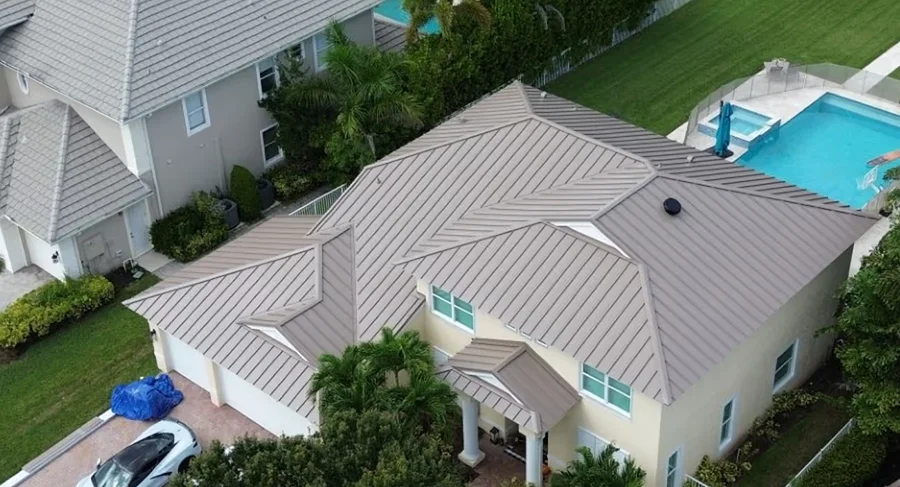
Standing seam metal roofing has become one of the most trusted and widely recommended roofing systems for homeowners who prioritize durability, long-term performance, and clean architectural design. Recognized by its tall vertical metal panels and raised interlocking seams, this roofing style is engineered to outperform many traditional materials in both lifespan and resistance to harsh weather conditions. As more homeowners move away from short-term roofing solutions and focus on total lifetime value, standing seam metal roofing continues to gain popularity in both new construction and roof replacement projects.
What Makes Standing Seam Metal Roofing Different
Unlike conventional roofing systems that rely on overlapping layers, adhesives, or exposed fasteners, standing seam metal roofing is designed as a fully integrated system. Every component—from the metal panels and seams to the concealed clips, underlayment, and flashing - works together to reduce potential failure points and improve overall reliability. This system-based approach is one of the main reasons standing seam roofs are frequently selected in regions that experience heavy rainfall, strong winds, intense heat, or coastal exposure.
Homeowners researching roofing options often begin by asking what standing seam metal roofing is and how it differs from other materials. At its core, standing seam metal roofing consists of long metal panels installed vertically from the eaves to the ridge of the roof. These panels are joined together by raised seams that lock tightly and sit above the flat surface of the roof. The seams help direct water away from vulnerable areas while also creating the clean, modern appearance that has become synonymous with standing seam systems. We'll be publishing our comprehensive guide titled, "What is Standing Seam Metal Roofing?" soon - be sure to check back for an in-depth explanation of how this system works.
The Concealed Fastener Advantage
One of the most important performance advantages of standing seam metal roofing is its concealed fastener design. Traditional asphalt shingles rely on exposed nails, while many metal roofing systems use visible screws driven directly through the panel surface. Over time, these exposed fasteners can loosen, degrade, or allow moisture intrusion. Standing seam systems eliminate this vulnerability by hiding fasteners beneath the seams or within concealed clip systems, significantly reducing the risk of leaks caused by fastener failure. For homeowners focused on long-term reliability and reduced maintenance, this design difference is critical.
Thermal Performance and Expansion Control
Another key benefit of standing seam metal roofing is its ability to accommodate thermal expansion and contraction. Metal naturally expands when heated and contracts when cooled, and roofing systems that do not account for this movement are more prone to warping, fastener fatigue, and premature failure. Standing seam panels are engineered with specialized clips that allow controlled panel movement without compromising the roof's structural integrity. This flexibility is especially important in climates with large temperature swings or prolonged exposure to intense sunlight.
Durability and Longevity You Can Count On
Durability and longevity are among the strongest reasons homeowners choose standing seam metal roofing. When properly installed, these roofs commonly last forty to seventy years or more, far exceeding the lifespan of asphalt shingles, which often require replacement every fifteen to thirty years. Materials such as Galvalume-coated steel and aluminum are selected for their resistance to corrosion, moisture intrusion, and ultraviolet exposure. Protective finishes further enhance longevity, allowing the roof to maintain both performance and appearance over decades. Our upcoming article titled, "How Long Should a Standing Seam Metal Roof Last?" will dive deeper into the factors that influence lifespan and what you can realistically expect from your investment.
Superior Weather Resistance
Weather resistance is another major advantage of standing seam metal roofing. The raised seams help channel water away from vulnerable areas, while the vertical panel orientation promotes efficient drainage during heavy rainfall. The interlocking panel system improves wind resistance, making standing seam roofs well suited for storm-prone and high-wind regions. In coastal environments, aluminum or properly coated steel panels offer improved resistance to salt air, which can accelerate deterioration in less durable roofing materials. This level of protection provides peace of mind for homeowners living in demanding climates.
Energy Efficiency Benefits
Energy efficiency is an increasingly important consideration for homeowners, and standing seam metal roofing can contribute to improved thermal performance. Metal reflects a portion of solar heat rather than absorbing it, which can help lower attic temperatures and reduce cooling demands during warmer months. Lighter color finishes and reflective coatings can enhance this benefit further. While energy savings vary depending on climate, insulation, and ventilation, many homeowners experience improved indoor comfort and reduced strain on HVAC systems over time.
Understanding the Investment: Cost Considerations
Cost is often one of the first concerns homeowners have when evaluating standing seam metal roofing. While the upfront investment is higher than traditional shingles, the long-term value can be significantly more favorable. Extended lifespan, reduced maintenance requirements, fewer repairs, and potential energy savings all contribute to a lower total cost of ownership over the life of the roof. For a detailed breakdown of pricing factors, look for our detailed guide on "Standing Seam Metal Roofing Cost Considerations", coming soon to help you budget with confidence.
Why Professional Installation Matters
Installation quality plays a critical role in determining how well a standing seam metal roof performs. These systems require precise measurements, specialized tools, and installers who understand how metal roofing behaves over time. Proper seam engagement, flashing integration, underlayment selection, and panel alignment all influence long-term performance. Even the highest-quality materials can underperform if installation is handled incorrectly. Whether you're working on a residential roofing project or managing commercial roofing needs, choosing experienced professionals is essential. We're preparing an in-depth resource covering the "Standing Seam Metal Roof Installation Process" to help you understand why experience matters and what to expect during your project.
Minimal Maintenance, Maximum Performance
Maintenance requirements for standing seam metal roofing are relatively minimal compared to many other roofing systems. The concealed fastener design reduces common failure points, and metal panels resist cracking, curling, and moisture absorption. With routine inspections, basic cleaning, and occasional sealant checks, these roofs can remain reliable for decades. A detailed look at care expectations will be available in our upcoming guide on "Standing Seam Metal Roof Maintenance Requirements" - stay tuned for practical tips on protecting your investment.