
How Long Does Standing Seam Metal Roofing Last?
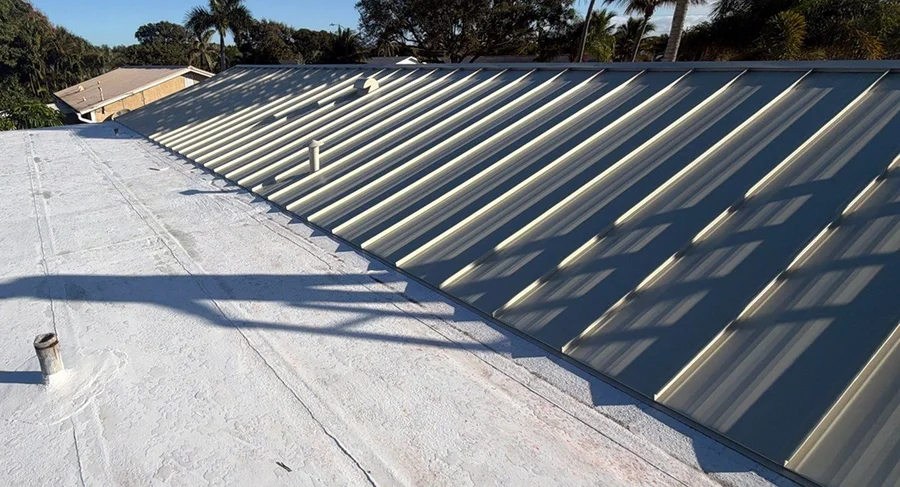
A standing seam metal roof typically lasts 40 to 70 years or more, depending on the metal: galvanized or Galvalume steel 40 to 60 years, aluminum 50 to 70+, zinc 80 to 100+, and copper often more than 100. Installation quality, coatings, climate and maintenance decide where in that range a roof lands; salt air shortens steel's life.
One of the primary reasons homeowners and building owners choose standing seam metal roofing is its exceptional lifespan. Compared to traditional roofing materials, standing seam metal roofs are designed to last significantly longer while maintaining structural integrity and consistent performance. When properly installed and maintained, a standing seam metal roof can protect your property for 40 to 70 years or more - far exceeding the 15 to 30-year lifespan typical of asphalt shingles. Understanding the factors that influence longevity and what you can realistically expect from your investment helps you make an informed decision about whether this premium roofing system is right for your needs. For a comprehensive overview of standing seam metal roofing, including costs, benefits, and installation considerations, read our comprehensive standing seam metal roofing guide.
Expected Lifespan by Material Type
The lifespan of a standing seam metal roof varies primarily based on the type of metal used. Each material offers different performance characteristics, corrosion resistance, and durability profiles.
Steel roofing panels with Galvalume or galvanized coatings typically last 40 to 60 years. Galvalume, which is a combination of aluminum and zinc coating, provides superior corrosion resistance compared to traditional galvanized steel. The aluminum component offers excellent protection against oxidation, while the zinc provides sacrificial protection at cut edges and scratches. High-quality painted steel with PVDF (polyvinylidene fluoride) finishes can extend the lifespan even further by adding UV protection and preventing chalking or fading.
Aluminum roofing commonly lasts 50 to 70 years or more. Aluminum's natural resistance to corrosion makes it particularly well suited for coastal environments where salt air accelerates metal deterioration. Unlike steel, aluminum does not rust, which eliminates one of the primary failure modes for metal roofing. Its lighter weight also reduces structural stress over time, though it is more susceptible to denting from hail or falling debris.
Copper roofing represents the longest-lasting option, with lifespans often exceeding 100 years. Copper develops a protective patina over time that actually enhances its weather resistance. Historic buildings with original copper roofs dating back centuries demonstrate this material's exceptional longevity. However, copper's premium cost limits its use primarily to high-end residential roofing and specialty commercial roofing applications.
Zinc roofing shares similar longevity characteristics with copper, lasting 80 to 100+ years. Like copper, zinc develops a self-healing patina that protects against corrosion. It's particularly popular in European architecture and is gaining traction in North America for premium projects.
The Role of Protective Coatings and Finishes
The protective coatings applied to standing seam metal panels significantly impact their lifespan. These coatings serve multiple functions: preventing corrosion, blocking UV radiation, resisting fading, and maintaining aesthetic appearance.
Galvalume coating is the industry standard for steel panels. This metallic coating provides a minimum of 25 years of corrosion protection in most environments, with many manufacturers offering warranties extending 40 years or more. The coating thickness, measured in ounces per square foot, directly correlates with longevity. AZ50 and AZ55 designations indicate thicker, more protective coatings suitable for harsh environments.
Paint systems add another layer of protection beyond the metallic coating. PVDF-based paint systems, such as Kynar 500 or Hylar 5000, offer superior UV resistance, color retention, and chalk resistance compared to standard polyester paints. These premium finishes typically come with 30 to 40-year warranties against fading and chalking. For property owners concerned about long-term appearance, investing in a high-quality paint system is essential.
Stone-coated finishes combine metal durability with the appearance of traditional roofing materials. These systems apply crushed stone granules to the metal surface, providing additional protection from UV exposure and reducing thermal expansion effects. While adding complexity to the system, they can extend panel life and improve aesthetic longevity.
Installation Quality: The Critical Factor
Even the highest-quality materials cannot overcome poor installation. The expertise and precision applied during installation directly determine whether a standing seam metal roof reaches its maximum potential lifespan or fails prematurely.
Proper panel alignment ensures that water flows correctly and seams engage as designed. Misaligned panels can create areas where water pools or seams don't lock properly, leading to accelerated wear and potential leaks. Experienced installers understand how to account for roof irregularities and ensure consistent panel spacing and seam engagement.
Fastener placement and clip installation are critical to long-term performance. The concealed fastener system only works when clips are properly positioned and secured to the roof deck. Over-driven or under-driven fasteners compromise the clip's ability to hold panels securely while allowing for thermal movement. Installers must follow manufacturer specifications precisely to maintain warranty coverage and ensure proper performance.
Flashing integration determines how well the roof handles water at vulnerable transition points - valleys, chimneys, skylights, and wall intersections. Properly installed flashing directs water away from these areas and prevents moisture intrusion that can degrade both the roof and underlying structure. Custom-fabricated flashing pieces, rather than universal off-the-shelf components, typically provide superior long-term protection.
Underlayment selection affects how the roof performs if water does penetrate the panel system. High-quality synthetic underlayment provides a secondary water barrier that resists tearing, maintains flexibility in temperature extremes, and won't degrade from UV exposure during installation. While the standing seam system itself should prevent water intrusion, the underlayment serves as critical insurance against unforeseen circumstances.
Climate and Environmental Factors
The environment where a standing seam metal roof is installed significantly influences its lifespan. Different climates present unique challenges that can either accelerate or slow material degradation.
Coastal environments pose the greatest challenge for metal roofing due to salt air exposure. Saltwater accelerates corrosion, particularly on steel panels. In these locations, aluminum or copper are often better material choices. If steel is used, it should have premium coating systems and regular washing to remove salt deposits. Even with these precautions, coastal installations may experience shorter lifespans than inland applications.
High-humidity regions can promote corrosion on the underside of panels if ventilation is inadequate. Moisture that condenses on the back of panels and remains trapped can cause corrosion over time, even when the exposed surface remains protected. Proper attic ventilation and vapor barriers help mitigate this risk.
Extreme temperature fluctuations test the thermal expansion capabilities of the roofing system. Regions that experience large daily or seasonal temperature swings require careful attention to clip design and panel attachment to accommodate the expansion and contraction cycles. Systems that properly allow for movement maintain their integrity longer than those that restrict panel movement.
UV exposure intensity varies by latitude and altitude. Areas with intense sunlight year-round put greater stress on paint finishes and can accelerate coating degradation. Premium PVDF finishes perform significantly better in high-UV environments compared to standard paints.
Severe weather frequency - ncluding hail, high winds, and heavy snow loads - can impact longevity. While standing seam systems are engineered to handle these conditions, repeated exposure to extreme weather may cause gradual wear. Proper material gauge selection and seam design for local conditions help maximize lifespan.
Maintenance Requirements and Impact on Longevity
Standing seam metal roofing requires minimal maintenance compared to other roofing systems, but some routine care significantly extends its lifespan.
Regular inspections - ideally twice per year - allow early detection of potential issues before they become serious problems. Inspectors should check for loose fasteners, damaged panels, degraded sealants at penetrations, and signs of corrosion. Identifying these issues early allows for simple repairs rather than extensive system replacement.
Debris removal prevents water from pooling and keeps drainage pathways clear. Leaves, branches, and other debris that accumulate in valleys or behind obstructions can trap moisture and accelerate localized corrosion. A simple cleaning once or twice per year prevents these issues.
Gutter maintenance ensures proper water management. Clogged gutters force water to back up onto the roof surface, potentially infiltrating the system at eaves or causing ice dams in cold climates. Keeping gutters clean and functional protects the roof's longevity.
Sealant inspection and replacement at penetrations, transitions, and accessories prevents water intrusion. Sealants typically need replacement every 10 to 20 years as they degrade from UV exposure and thermal cycling. This minor maintenance task prevents major leaks and extends roof life.
Touch-up of scratches or damaged areas prevents corrosion from starting at exposed metal. While standing seam systems are durable, impacts from falling branches or maintenance equipment can damage protective coatings. Addressing these areas promptly with manufacturer-approved touch-up paint prevents rust from developing.
Warranty Coverage and What It Means for Lifespan
Understanding warranty terms helps set realistic expectations for standing seam metal roof longevity. Most manufacturers offer multiple warranty types, each covering different aspects of performance.
Paint and finish warranties typically extend 30 to 40 years for premium PVDF systems, guaranteeing against excessive fading, chalking, and peeling. These warranties often specify maximum acceptable degradation levels rather than promising no change whatsoever. Standard polyester paint systems typically carry 20 to 25-year warranties.
Substrate warranties cover the metal panel itself against perforation from corrosion. These warranties often extend 40 to 50 years or more for Galvalume-coated steel and may be even longer for aluminum. Reading the fine print reveals important exclusions—many warranties are prorated and require professional installation following manufacturer specifications.
Weathertightness warranties from roofing contractors guarantee the installation against leaks for a specified period, typically 10 to 20 years for residential roofing and commercial roofing projects. These warranties depend on proper maintenance and may be voided if unauthorized modifications are made.
Comparing Lifespan to Other Roofing Materials
Placing standing seam metal roof longevity in context against other materials highlights its value proposition.
Asphalt shingles last 15 to 30 years depending on quality. Basic three-tab shingles typically need replacement around 15 to 20 years, while architectural shingles may reach 25 to 30 years. This means a standing seam metal roof may last two to three times longer than even premium asphalt shingles.
Wood shakes and shingles last 20 to 40 years when properly maintained. However, they require more maintenance than metal roofing and are increasingly restricted due to fire codes in many areas.
Clay and concrete tile can last 50 to 100 years, competing with metal in terms of longevity. However, tile roofs are significantly heavier, requiring additional structural support, and individual tiles can crack and need replacement over time.
Slate roofing is among the longest-lasting options at 75 to 150+ years. Like tile, it requires substantial structural support and is considerably more expensive than standing seam metal roofing.
Maximizing Your Standing Seam Metal Roof's Lifespan
To ensure your standing seam metal roof reaches or exceeds its expected lifespan, focus on these key factors:
- Choose appropriate materials for your climate and environment. Coastal properties benefit from aluminum or premium-coated steel. Areas with extreme weather require proper gauge thickness and seam design.
- Invest in professional installation by experienced contractors who understand metal roofing systems. The quality of installation directly determines performance longevity.
- Select high-quality coating systems - particularly PVDF paints - for superior long-term protection and appearance retention.
- Implement a routine maintenance schedule including inspections, cleaning, and minor repairs as needed.
- Address issues promptly when they arise rather than allowing small problems to become major failures.
Conclusion
Standing seam metal roofing offers exceptional longevity when properly specified, installed, and maintained. With lifespans ranging from 40 to 70+ years for common materials, and even longer for premium options like copper and zinc, this roofing system provides decades of reliable protection. Understanding the factors that influence lifespan - material selection, coating quality, installation expertise, climate conditions, and maintenance practices - helps property owners maximize their investment and enjoy worry-free performance for generations.
At Talbot Companies, we specialize in helping clients select and install standing seam metal roofing systems designed to last. Whether you're planning a residential roofing project or need commercial roofing solutions, our team brings the expertise needed to ensure your roof delivers maximum longevity. Contact us today to discuss your project and discover how we can protect your property for decades to come.