Does Homeowners Insurance Cover Roof Replacement in Tequesta, FL?
4/17/2026
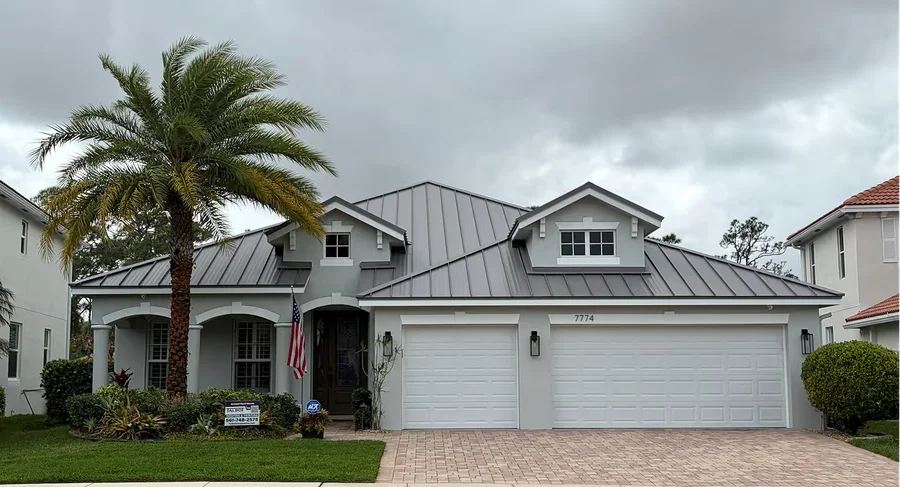
Your roof takes a beating in Tequesta. Between hurricane season, afternoon thunderstorms that roll in off the Atlantic, and the relentless South Florida sun, it's not a question of whether your roof will eventually need attention — it's a question of when, and who pays for it.
For most homeowners, the first instinct after discovering roof damage is to call their insurance company. But navigating a roof replacement claim in Florida is more complicated than most people expect, and the difference between a smooth payout and a costly denial often comes down to details that homeowners didn't know mattered until it was too late.
This guide covers what homeowners need to understand about homeowners insurance and roof replacement in Tequesta— what's typically covered, what isn't, how the claims process works, and how to give yourself the best possible chance of a fair outcome.
The Short Answer: It Depends on the Cause
Homeowners insurance is not a home warranty. It doesn't cover roof replacement simply because your roof is old, worn out, or past its useful life. What it typically does cover is sudden, accidental damage caused by a specific event — and that distinction is the foundation of every roof claim in Florida.
The most common covered causes in Tequesta include wind damage from tropical storms and hurricanes, hail impact, falling trees or debris, and fire. If a named storm or a severe weather event caused demonstrable damage to your roof, you generally have a legitimate basis for a claim.
What's typically not covered is damage resulting from age, wear and tear, poor maintenance, or gradual deterioration. If your roof has been slowly failing for years and a rainstorm exposes that failure, your insurer will likely argue that the underlying cause is long-term neglect rather than the storm itself — and they may well be right.
What Florida Homeowners Insurance Policies Actually Say
Florida's property insurance market is one of the most complicated in the country, and Tequesta homeowners should understand a few specific dynamics that affect roof claims here more than in other states.
Actual Cash Value vs. Replacement Cost Value
One of the most important distinctions in any roof claim is whether your policy covers your roof at actual cash value (ACV) or replacement cost value (RCV).
Replacement cost value means your insurer pays what it actually costs to replace your roof with materials of like kind and quality, minus your deductible. This is the coverage most homeowners assume they have.
Actual cash value means your insurer pays replacement cost minus depreciation — and roofs depreciate significantly. A 15-year-old tile roof that costs $30,000 to replace might be valued at $10,000 or less under an ACV policy once depreciation is applied. Many Florida insurers have shifted older roofs to ACV coverage in recent years, so it's worth reviewing your policy carefully to understand exactly what you have.
The Age and Condition Threshold
Florida law allows insurers to limit coverage or require ACV settlement for roofs that are past a certain age — typically 25 years for tile and 20 years for other materials, though this varies by policy and carrier. Some insurers will require a roof inspection before renewing coverage on an older home, and if your roof doesn't pass, you may be required to replace it regardless of a claim.
If you're purchasing a home in Tequesta or renewing an existing policy, knowing the age and condition of your roof is essential — not just for your claim potential, but for your insurability.
Hurricane Deductibles
Standard homeowners policies in Florida carry a separate, higher deductible for hurricane damage — typically 2% to 5% of your home's insured value rather than a flat dollar amount. On a home insured for $800,000, a 2% hurricane deductible means you're absorbing the first $16,000 of any hurricane-related claim before your insurer pays anything. This surprises a lot of homeowners when they first see the numbers.
How the Claims Process Works
Understanding the steps involved in a roof insurance claim helps you avoid missteps that can delay or reduce your payout.
Step 1: Document the damage immediately.
After any storm or weather event that you believe caused roof damage, document everything before any cleanup or temporary repairs. Take photos and video from as many angles as possible — the roof surface, any interior water intrusion, gutters, flashing, and surrounding areas. Date-stamp everything if you can. This documentation is your evidence, and the more thorough it is, the stronger your claim position.
Step 2: Make temporary repairs to prevent further damage.
Your policy almost certainly requires you to take reasonable steps to prevent additional damage after an event — this is called your "duty to mitigate." Covering exposed areas with tarps, boarding up openings, and addressing immediate water intrusion are all appropriate steps. Keep receipts for any emergency expenses, as these may be reimbursable. Do not make permanent repairs before your insurer has inspected the damage.
Step 3: File your claim promptly.
Florida law gives homeowners two years from the date of a hurricane or windstorm loss to file a claim, but filing quickly is in your interest. Delays give insurers grounds to question whether the damage is truly related to the event you're claiming, and they give the damage more time to worsen in ways that complicate the claim.
Step 4: Understand your adjuster's role.
When your insurer sends an adjuster, that person works for the insurance company — not for you. Their assessment will inform what your insurer is willing to pay, but it is not a final determination. You have the right to dispute their findings, get your own estimate from a licensed contractor, and negotiate.
Step 5: Get an independent contractor assessment.
Before accepting any settlement, get a detailed written estimate from a licensed roofing contractor in Tequesta who has experience with insurance claims in Palm Beach County. A qualified local contractor can identify damage that an adjuster may have missed, provide documentation that supports your claim, and help you understand whether the settlement offer is fair and sufficient to actually complete the work.
Common Reasons Claims Are Denied or Underpaid
Knowing what gets claims into trouble is as important as knowing how the process works. The most common problems Tequesta homeowners encounter include:
Pre-existing conditions. Insurers routinely commission roof inspections to look for evidence that damage predates the claimed event. Cracked or broken tiles that weren't recently impacted, deteriorated flashing, missing caulking, and visible aging can all be cited as evidence of pre-existing neglect. Regular maintenance documentation — even informal records of inspections or repairs — can help counter these arguments.
Delayed reporting. Waiting months to file a claim after a storm gives your insurer legitimate grounds to question the cause of the damage. If you suspect storm damage, report it promptly even if you're not certain of the full extent.
Matching issues. Florida has had significant litigation around the "matching" question — when a portion of a roof is damaged, does the insurer have to replace sections that weren't damaged in order to ensure a uniform appearance? Policy language varies, and this is an area where having a knowledgeable contractor in your corner matters.
Policyholder misrepresentation. Even well-intentioned statements made during the claims process can create problems if they're inaccurate. Don't speculate about causes or timelines if you're not certain — let the documentation speak for itself.
Should You Hire a Public Adjuster?
A public adjuster is a licensed professional who represents the homeowner — not the insurance company — in negotiating a claim. For large, complex claims, a public adjuster can sometimes recover significantly more than a homeowner would receive on their own, and their fee is typically a percentage of the claim settlement.
Whether hiring a public adjuster makes sense depends on the complexity and size of your claim, how far apart your estimate and the insurer's offer are, and whether you have the time and expertise to manage the negotiation yourself. For straightforward claims on smaller jobs, the fee may not be worth it. For a full roof replacement on a high-value Tequesta home where the settlement is disputed, it's worth considering.
The Role Your Contractor Plays
Your choice of contractor matters a great deal in the insurance claim process — not just for the quality of the eventual work, but for the documentation and advocacy that happens before the job starts.
An experienced local contractor who regularly works with homeowners insurance claims in Palm Beach County knows how to prepare a detailed scope of work that supports your claim, how to identify and document all storm-related damage, and how to communicate with adjusters in the language they're looking for. They also know when a settlement offer is insufficient to complete the work properly and can help you push back with documentation.
Importantly, a reputable contractor will not promise to waive your deductible, guarantee a specific insurance outcome, or encourage you to misrepresent the cause or extent of damage. These practices are fraudulent under Florida law and can expose both the contractor and the homeowner to serious legal consequences. If a contractor offers any of these things, walk away.
Practical Steps for Tequesta Homeowners
Before you ever need to file a claim, there are steps you can take now to protect your position:
Review your current policy and understand whether your roof is covered at replacement cost value or actual cash value, what your hurricane deductible is, and whether your roof's age affects your coverage terms. If you're not sure, call your agent and ask directly.
Know your roof's age and condition. If your roof is approaching 15 to 20 years old, get a professional inspection. Proactive maintenance documented in writing demonstrates to your insurer that damage is event-related rather than the result of neglect.
Keep records. Any repairs, inspections, cleanings, or maintenance performed on your roof should be documented and saved. Photographs taken before any storm are invaluable for establishing baseline condition.
Build a relationship with a local contractor before you need one urgently. In the aftermath of a major storm, every homeowner in the area is calling contractors at once. Having an established relationship with a trusted local company means you're not starting from scratch when time is critical.
In Conclusion
Homeowners insurance can cover roof replacement in Tequesta — but only under the right circumstances, with the right documentation, and with a clear understanding of what your specific policy actually says. The homeowners who navigate claims successfully are almost always the ones who were prepared before the storm: they knew their coverage, maintained their roofs, documented their property's condition, and had a relationship with a qualified local contractor they could call immediately.
If you're unsure about your coverage, your roof's current condition, or what your options are after recent weather damage, the right starting point is an honest assessment from a contractor who knows Tequesta and has experience working with Florida's insurance landscape.