Early Signs Your Jupiter, Florida Roof May Be Failing and What to Do About It
12/18/2025
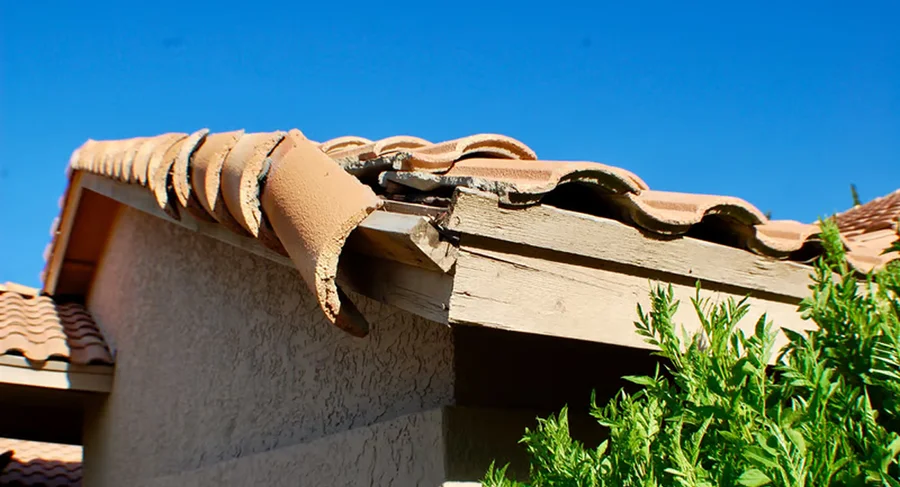
Noticing signs that your roof is starting to fail can save you from major headaches and expenses later on. Many homeowners overlook the early symptoms of roof damage, but being proactive can lead to easier repairs. Start by checking for missing or damaged shingles, as these can leave your roof vulnerable to leaks. Look for dark spots, peeling paint, or stains on your ceilings - these could mean water is getting in. Also, keep an eye out for granules in your gutters, which can indicate that your shingles are deteriorating. Addressing these issues early can help maintain the integrity of your roof and protect your home.
1. Missing, Cracked, or Curling Shingles
One of the most visible indicators that your Jupiter roof is beginning to fail is the condition of your shingles. Florida's intense sun exposure, combined with tropical storms and high humidity, takes a serious toll on roofing materials. When you notice shingles that are cracked, curling at the edges, or missing entirely, your roof's protective barrier has been compromised.
Curling shingles often indicate that they've exceeded their lifespan or have been damaged by heat and moisture cycles. Missing shingles leave your roof deck exposed to the elements, which can quickly lead to water infiltration and structural damage. After major storms, it's particularly important to inspect your roof for wind damage that may have lifted or torn away shingles.
If you spot these issues early, professional roof repairs can often address the problem before it escalates into a more costly situation. However, if shingle damage is widespread across your roof, it may be time to consider a full replacement.
2. Water Stains on Ceilings and Walls
Interior water stains are a red flag that should never be ignored. If you notice brown or yellowish discoloration on your ceilings or walls, especially after rainfall, water is penetrating your roof system and making its way into your home's interior. In Jupiter's climate, where afternoon thunderstorms are common during summer months, even small leaks can quickly become major problems.
Water infiltration doesn't just damage drywall and paint. It can compromise insulation, promote mold growth, and even weaken the structural integrity of your home's framing. The source of a leak isn't always directly above the stain you see, as water can travel along rafters and beams before becoming visible inside your home.
At the first sign of water stains, contact a roofing professional to identify and address the source. Sometimes targeted repairs can solve the issue, but persistent leaking may indicate more extensive roof deterioration requiring a complete roof replacement.
3. Granules Accumulating in Gutters
When you clean your gutters and notice an excessive amount of granules - the gritty, sand-like particles that coat asphalt shingle - your roof is likely nearing the end of its serviceable life. These granules protect shingles from UV damage and help them shed water effectively. As shingles age and deteriorate, they shed these protective granules at an accelerated rate.
While it's normal to see some granule loss, especially on a newer roof during its first year, significant accumulation in gutters and downspouts signals that your shingles are wearing out. Without adequate granule coverage, shingles become vulnerable to sun damage, can absorb moisture, and will fail more rapidly.
Jupiter's intense sunshine accelerates this degradation process compared to more temperate climates. If you're finding substantial granule buildup regularly, have your roof professionally inspected to determine whether repairs can extend its life or if replacement is the more prudent choice.
4. Sagging Roof Deck
A sagging or uneven roofline is one of the most serious warning signs of roof failure and potential structural damage. This issue typically indicates that moisture has penetrated the roof deck or that the underlying structure has been compromised. In Jupiter, where humidity levels remain high year-round, trapped moisture can cause wooden roof decking to rot, warp, or lose its structural integrity.
You can spot sagging by standing back from your home and looking at the roofline. Any dips, waves, or areas that appear to bow inward require immediate professional attention. Sagging can also sometimes be detected from inside your attic by looking for areas where the decking appears to dip between rafters.
This condition represents a serious safety concern and should never be addressed with simple patching. A sagging roof deck typically requires extensive repair work or complete roof replacement to restore your home's structural integrity and safety.
5. Rising Energy Bills and Poor Attic Ventilation
An often-overlooked sign of roof deterioration is a sudden increase in your cooling costs. In Jupiter's hot climate, your roof plays a crucial role in your home's energy efficiency. When your roof system begins to fail, heat can penetrate more easily into your attic space, forcing your air conditioning system to work harder to maintain comfortable temperatures.
Poor attic ventilation, often associated with aging roof systems, exacerbates this problem. If your attic feels excessively hot, has a stuffy odor, or shows signs of moisture accumulation, your roof ventilation system may be compromised. This not only drives up energy costs but can also shorten the lifespan of your roof by trapping heat and moisture against the underside of your roof deck.
During a professional roof inspection, experienced contractors will evaluate both the condition of your roofing materials and the adequacy of your ventilation system. Sometimes improving ventilation and making strategic repairs can significantly extend your roof's life, while in other cases, these symptoms indicate it's time for a new roof.
What to Do About a Failing Roof
If you've noticed any of these warning signs, taking prompt action can save you from more extensive damage and costly repairs down the road. Here's what you should do:
Schedule a Professional Inspection: Contact a reputable roofing contractor like Talbot Companies for a thorough roof evaluation. Professional inspectors can identify problems you might miss and provide an honest assessment of whether repairs or replacement is the best option.
Document the Damage: Take photos of visible damage, water stains, and any other issues you've noticed. This documentation can be valuable for insurance claims if storm damage is involved.
Don't Delay Repairs: In Jupiter's climate, small problems can escalate quickly. A minor leak can become extensive water damage after just a few storms. Addressing issues promptly typically costs far less than waiting until damage becomes severe.
Consider Your Roof's Age: If your roof is approaching or has exceeded its expected lifespan (typically 20-25 years for asphalt shingles in Florida), replacement may be more cost-effective than continual repairs.
Work with Local Experts: Choose a roofing contractor familiar with Jupiter's specific climate challenges, building codes, and permitting requirements. Local expertise makes a significant difference in both the quality of work and the longevity of your roof.
At Talbot Companies, we understand the unique demands that Jupiter's coastal climate places on residential roofs. Whether your home needs targeted repairs or a complete roof replacement, our experienced team can help you make the right decision for your property and budget. Don't wait until minor issues become major headaches—contact us today for a professional roof inspection and honest recommendations for protecting your most valuable investment.