
HOA Roofing Requirements in Jupiter: What You Need to Know Before Replacement
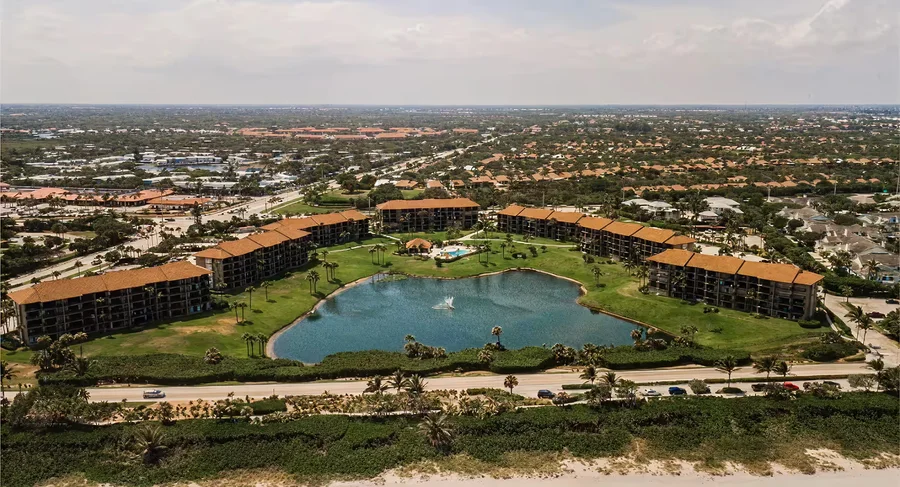
If you live in one of Jupiter's many homeowners association communities—from the luxury waterfront enclaves of Jupiter Island to family-friendly neighborhoods throughout Palm Beach County—you already know that HOAs regulate many aspects of your home's exterior appearance. Your roof is no exception, and in fact, it's often one of the most strictly controlled elements due to its visual prominence and impact on neighborhood aesthetics.
Navigating HOA roofing requirements can feel overwhelming, especially when you're already dealing with the stress and expense of roof replacement. Many Jupiter homeowners discover too late that they've violated HOA guidelines, leading to fines, forced removal of non-compliant materials, and significant financial losses. Understanding your community's specific requirements before beginning your roof replacement Jupiter, FL project saves time, money, and frustration.
This comprehensive guide walks you through everything you need to know about HOA roofing requirements in Jupiter, from typical restrictions and approval processes to strategies for navigating disagreements. Whether your community has strict architectural controls or more relaxed guidelines, being informed and proactive ensures your roof replacement proceeds smoothly and remains in full compliance.
Common HOA Roofing Restrictions in Jupiter
While every homeowners association has unique governing documents, most Jupiter HOAs impose similar types of roofing restrictions designed to maintain architectural harmony and property values:
Material Restrictions
Many Jupiter HOAs, particularly in communities featuring Mediterranean, Spanish Colonial, or other distinctive architectural styles, mandate specific roofing materials. Tile roofing—whether concrete or clay—is commonly required in upscale neighborhoods to maintain the intended aesthetic character.
Other communities allow multiple material options but exclude certain types. For example, an HOA might permit tile, metal, and architectural shingles but prohibit basic 3-tab shingles or wood shakes. Luxury communities often require premium materials exclusively, while more budget-conscious neighborhoods offer greater flexibility.
Some associations specify minimum quality standards, such as requiring Class 4 impact-resistant shingles or hurricane-rated materials that exceed basic code requirements. These specifications protect both individual homeowners and the community's collective insurance rates.
Color and Finish Requirements
Color represents one of the most frequently regulated aspects of HOA roofing. Associations typically maintain approved color palettes designed to complement the community's overall design scheme. These might include:
- Specific color lists: "Terra cotta, Spanish red, or adobe tan only"
- Color families: "Earth tones" or "neutral colors"
- Finish specifications: Matte vs. glossy surfaces
- Prohibited colors: "No white or bright colors"
Jupiter's coastal communities often favor lighter, heat-reflective colors that enhance energy efficiency and suit the tropical aesthetic, while inland neighborhoods might permit darker tones.
Color matching can be challenging when replacing only portions of your roof or when manufacturers discontinue specific colors. Your roofing contractor in Jupiter, FL should provide samples that demonstrate color compliance before you submit your application.
Style and Profile Restrictions
Beyond materials and colors, many HOAs regulate roof profile and style to ensure visual consistency. Common restrictions include:
- Tile profile requirements: Barrel tile, S-tile, or flat tile specifications
- Shingle style mandates: Architectural (dimensional) shingles required; 3-tab prohibited
- Metal roofing profiles: Standing seam vs. metal shingles
- Pitch restrictions: Minimum or maximum roof slopes (rare but occasionally specified)
Some associations require that roof replacements match the original installation exactly—same material, color, and style—while others permit upgrades within approved parameters.
Architectural Consistency Rules
Communities built in phases or with multiple floor plans sometimes require that homes maintain consistency with their specific section or model type. You might be required to match the original builder specifications for your particular model, even if adjacent homes with different floor plans have different roofing.
This can create confusion when trying to determine what's permitted, so carefully review your community's specific architectural guidelines rather than simply observing neighboring properties.
Understanding Your HOA's Governing Documents
Before planning your roof replacement in Jupiter, FL, thoroughly review your community's governing documents to understand what's required and what approval process you must follow:
Declaration of Covenants, Conditions & Restrictions (CC&Rs)
The CC&Rs represent your community's foundational rules, recorded with the county and legally binding on all homeowners. Roofing requirements are typically outlined in sections addressing "architectural standards," "exterior modifications," or "improvements."
CC&Rs usually specify:
- What changes require approval
- General aesthetic standards
- Prohibited materials or colors
- Consequences for violations
Architectural Guidelines or Standards
Many Jupiter HOAs maintain separate architectural guidelines that provide detailed specifications beyond the general CC&Rs. These documents often include:
- Approved material lists with specific brands and models
- Color palettes with samples or references
- Submission requirements and forms
- Review timelines and procedures
- Sample approval letters
These guidelines change more frequently than CC&Rs (which require formal amendment processes), so ensure you're working from the current version. Contact your HOA management company or architectural review committee for the latest documents.
Bylaws and Rules & Regulations
While bylaws primarily address governance and operations, they may contain relevant information about approval processes, timelines, and committee authority. Rules and regulations documents sometimes supplement architectural guidelines with additional specifications.
Where to Find These Documents
Your closing documents should have included copies of all governing documents, but if you can't locate them:
- Contact your HOA management company directly
- Check your community's website (many now post documents online)
- Request copies from your HOA board
- Search Palm Beach County property records (CC&Rs are recorded)
- Ask your real estate agent if you recently purchased
Read these documents carefully before contacting contractors or submitting applications. Understanding requirements upfront prevents costly mistakes and streamlines the approval process.
The HOA Approval Process
Most Jupiter HOAs require advance approval before beginning roof replacement work. Here's how the typical approval process works:
Step 1: Review Requirements and Gather Information
Before submitting any application, thoroughly understand what your HOA requires. Determine:
- Submission deadlines (many meet monthly, so timing matters)
- Required documentation (forms, samples, contractor information)
- Review fees (some HOAs charge $50-$200 for architectural review)
- Approval criteria and common denial reasons
Contact your architectural review committee (ARC) or HOA management company with questions. Most are willing to provide guidance that increases approval likelihood.
Step 2: Select Your Contractor and Materials
Choose an experienced roofing company in Jupiter, FL that understands HOA requirements and can provide the documentation your community needs. Your contractor should:
- Provide material samples for your submission
- Supply manufacturer specifications and warranty information
- Include proof of licensing and insurance
- Describe installation timeline and methods
- Confirm compliance with building codes
Some Jupiter HOAs maintain preferred contractor lists or require contractors to register before working in the community. Verify these requirements early in your contractor selection process.
Step 3: Complete and Submit Application
Fill out your community's architectural review application completely and accurately. Typical requirements include:
- Property information: Address, owner name, contact details
- Project description: Detailed explanation of work planned
- Material specifications: Brand, model, color, samples
- Visual documentation: Photos or renderings showing proposed appearance
- Contractor information: Company name, license number, insurance certificates
- Timeline: Proposed start and completion dates
- Signatures: Owner acknowledgment of compliance responsibility
Incomplete applications delay approval, so double-check that you've included everything requested. Some HOAs accept electronic submissions while others require physical copies—follow specified procedures exactly.
Step 4: Wait for Review and Decision
Review timelines vary by community. Florida law requires HOAs to respond to architectural applications within specific timeframes (typically 30-90 days depending on your governing documents), but many Jupiter communities operate on faster schedules.
The architectural committee will review your application and typically respond in one of three ways:
- Approved: You may proceed as proposed
- Approved with conditions: You may proceed if you modify specific aspects
- Denied: Your proposal doesn't meet community standards
If denied or approved with conditions, the committee should explain their reasoning and what changes would gain approval.
Step 5: Comply with Approval Conditions
If you received conditional approval, ensure all conditions are met before starting work. This might involve:
- Submitting revised material samples
- Adjusting colors or specifications
- Providing additional documentation
- Agreeing to specific installation methods
Proceeding without satisfying conditions violates your approval and puts you in non-compliance.
Step 6: Notify HOA of Completion
Some Jupiter HOAs require notification when work is completed so they can perform a final compliance inspection. This ensures the finished product matches approved specifications.
Completing this step protects you from later claims that you didn't follow your approval, particularly important if you're selling your home and buyers request HOA compliance letters.
What Happens If You Don't Get Approval?
Some homeowners are tempted to skip the approval process, assuming the HOA won't notice or won't care about an "improvement" like a new roof. This is almost always a mistake with serious consequences:
Financial Penalties
Jupiter HOAs can impose fines for violations of architectural requirements. These fines escalate the longer violations persist—starting at $100-$500 for initial violations and increasing to $1,000 or more for continued non-compliance.
Florida law caps daily fine amounts ($100 per day) and total fines ($1,000 for first violations, $5,000 for continuing or repeat violations), but these penalties add up quickly, potentially costing thousands beyond your roof replacement expense.
Forced Removal and Replacement
The most expensive consequence is being required to remove non-compliant roofing and replace it with approved materials. If you installed a $20,000 roof in violation of HOA requirements, you could face complete removal and replacement with compliant materials—essentially paying for two roofs.
This scenario isn't hypothetical. Jupiter HOAs regularly enforce architectural requirements through legal action when homeowners refuse voluntary compliance.
Legal Action and Liens
HOAs can file lawsuits to enforce compliance and recover fines and legal fees. If you refuse to pay assessed fines, the HOA can place liens on your property, preventing sale or refinancing until violations are resolved.
Selling a home with HOA violations is extremely difficult, as buyers usually cannot obtain financing, and title companies flag outstanding liens. You're forced to resolve violations before closing.
Difficulty Selling Your Home
Even if your HOA hasn't formally pursued enforcement, undisclosed or unresolved architectural violations create problems during home sales. Buyers request HOA compliance letters confirming no outstanding violations, and any issues must be resolved before closing.
Discovery of non-compliant roofing during inspections gives buyers negotiating leverage to demand price reductions or repairs, costing you far more than simply getting approval initially.
Insurance Complications
Some insurance companies verify HOA compliance as part of underwriting. If your non-compliant roof violates community standards, it might also violate your insurance policy terms, potentially voiding coverage.
Reputation and Relationships
Beyond financial consequences, violating HOA rules damages relationships with neighbors and board members, creating ongoing tension in your community. Jupiter's residential areas are close-knit, and maintaining positive relationships with your HOA makes life more pleasant.
The bottom line: Always get approval before starting roof replacement work, even if the process seems bureaucratic or inconvenient. The risks of non-compliance far exceed the minor hassle of submitting an application.
Tips for Getting Your Application Approved
Following these strategies increases your approval likelihood and speeds the review process:
Start Early
Don't wait until your roof is actively leaking to begin the approval process. Submit your application weeks or even months before you need work completed, allowing time for revisions if your initial submission is denied or requires modifications.
Emergency repairs complicate the approval process, though most HOAs have provisions for temporary protective measures while seeking formal approval for permanent replacement.
Communicate with Your ARC Before Applying
Reach out to your architectural review committee before submitting your formal application. Explain your situation, ask questions about requirements, and request guidance on what materials and colors are most likely to gain approval.
Many committee members are willing to provide informal feedback that prevents submission of applications likely to be denied. This preliminary communication demonstrates good faith and often results in smoother formal reviews.
Provide Comprehensive Documentation
Include everything requested and more. High-quality material samples, multiple photos showing how your home looks from various angles, detailed contractor specifications, and clear project descriptions eliminate committee questions and demonstrate professionalism.
The easier you make the committee's job, the more likely you'll receive quick approval.
Choose Pre-Approved Materials When Possible
If your HOA maintains lists of pre-approved materials, colors, or contractors, selecting from these options virtually guarantees approval. Even if you prefer something not on the list, starting with pre-approved choices simplifies the process.
Work with Experienced Local Contractors
The best roofing contractor in Jupiter, FL will have extensive experience working with local HOAs and understanding their specific requirements. Experienced contractors know which materials and colors typically gain approval in various Jupiter communities and can guide you toward compliant choices. Talbot Companies has been serving the Jupiter area for over 50 years and has the local experience to help you navigate your roof replacement seamlessly.
They can also provide professional documentation that lends credibility to your application—detailed specifications, manufacturer certifications, installation plans, and insurance information presented professionally.
Match Neighborhood Aesthetics
When your governing documents allow discretion, choosing materials and colors that harmonize with neighboring homes significantly improves approval odds. Architectural committees prioritize community-wide aesthetic consistency, so proposals that clearly fit existing character face less scrutiny.
Attend HOA Meetings
If your community allows homeowner attendance at architectural committee meetings, consider attending when your application is reviewed. This provides an opportunity to answer questions directly, address concerns in real-time, and demonstrate your commitment to compliance.
Be Patient and Professional
Architectural committees are typically volunteers—fellow homeowners serving without compensation. Treating them with respect, patience, and professionalism goes a long way. If your application is denied, respond courteously and ask for specific guidance on achieving approval rather than arguing or becoming confrontational.
Handling Disputes and Denials
If your application is denied or you disagree with your HOA's requirements, you have several options for resolving the conflict:
Request Clarification
Sometimes denials result from misunderstandings or incomplete information rather than fundamental non-compliance. Request a detailed written explanation of why your application was denied and what specific changes would result in approval.
This clarification often reveals simple solutions—a different color shade, alternative material specification, or additional documentation—that quickly resolve the issue.
Submit a Revised Application
Based on feedback from your initial denial, revise your proposal to address the committee's concerns and resubmit. Most denials aren't final—they're opportunities to refine your proposal into something that meets community standards.
Work with your roofing contractor in Jupiter, FL to identify alternative materials or colors that satisfy both the HOA's requirements and your preferences and budget.
Request a Variance or Exception
If circumstances make standard requirements unreasonably burdensome—such as discontinued materials that can't be exactly matched, structural limitations that prevent certain installation methods, or unique conditions specific to your property—you can request a variance.
Variance requests should include:
- Detailed explanation of why standard requirements pose hardship
- Evidence supporting your claim (structural engineer reports, material discontinuation notices)
- Proposed alternative that achieves similar aesthetic results
- Neighbor support letters (if applicable)
Architectural committees and boards have some discretion to grant reasonable variances, particularly when strict application of rules produces absurd or impossible requirements.
Appeal to the Board
If the architectural committee denies your application and you believe the denial is unreasonable, arbitrary, or inconsistent with governing documents, you can appeal to your HOA board of directors.
Prepare a formal written appeal explaining why the denial was improper and requesting board review. The board may overturn the committee's decision if they find merit in your argument.
Mediation
Florida law encourages alternative dispute resolution for HOA conflicts. Mediation involves a neutral third party helping you and the HOA reach mutually acceptable solutions without litigation.
Mediation is typically faster, cheaper, and less adversarial than lawsuits while still providing a formal resolution process. Many disputes that seem intractable in direct negotiations resolve successfully through mediation.
Legal Action
As a last resort, you can pursue legal action if you believe your HOA is:
- Enforcing rules arbitrarily or discriminatorily
- Imposing requirements that violate Florida law
- Operating outside the authority granted by governing documents
- Acting in bad faith
However, litigation is expensive, time-consuming, and damages community relationships. Reserve this option for truly egregious situations where other resolution attempts have failed and significant principles or financial stakes are involved.
Consult with an attorney specializing in HOA law before pursuing legal action to understand your likelihood of success and potential costs.
Practical Reality
Most disputes don't require legal action. Working cooperatively with your HOA, demonstrating good faith effort to comply, and maintaining professional communication resolves the vast majority of conflicts. Remember that architectural committee members are neighbors trying to maintain property values and community standards that benefit everyone, including you.
Special Considerations for Emergency Repairs
What happens if your roof suffers severe storm damage requiring emergency roof repair but you haven't obtained HOA approval? Most Jupiter HOAs recognize that emergencies exist and include provisions for urgent situations:
Temporary Protective Measures
Governing documents typically allow—and actually require—homeowners to take reasonable emergency measures to prevent further damage without prior approval. This might include:
- Tarping damaged areas
- Emergency patching
- Temporary waterproofing
- Debris removal
These protective measures aren't considered "architectural modifications" requiring approval since they're temporary and necessary to prevent greater harm.
Emergency Repair Notifications
Even when taking emergency action, notify your HOA management company or board immediately. Explain the situation, describe what temporary measures you've implemented, and indicate when you'll submit a formal application for permanent repairs.
This notification demonstrates good faith and protects you from claims that you failed to follow proper procedures.
Expedited Review Requests
Many HOAs will expedite review of applications involving emergency repairs, recognizing that homeowners can't indefinitely live with tarps and temporary fixes. When submitting your application, clearly explain the emergency circumstances and request expedited consideration.
Provide documentation of the damage—photos, insurance adjuster reports, contractor assessments—that demonstrates the urgent nature of your situation.
Insurance Considerations
Your homeowners insurance likely requires you to make reasonable repairs to prevent additional damage, creating tension with HOA approval requirements. Document all communications with your HOA showing you're following their processes while also meeting your insurance obligations.
Most insurance adjusters understand HOA requirements and will work within those constraints, but keep them informed of any delays caused by architectural review processes.
Working with Experienced Jupiter Roofing Contractors
Selecting the right roofing company in Jupiter, FL significantly impacts your HOA approval success. Here's what to look for:
HOA Experience
Choose contractors with proven experience working in Jupiter's HOA communities. They should:
- Understand common Jupiter HOA requirements
- Know which materials and colors typically gain approval
- Provide documentation that meets HOA standards
- Have established relationships with local management companies
- Successfully navigate the approval process regularly
Professional Documentation
Experienced contractors provide comprehensive documentation for your HOA application:
- Detailed material specifications with manufacturer information
- High-quality samples and color chips
- Professional project descriptions
- Current licensing and insurance certificates
- Installation timelines and methods
- References from similar HOA projects
Communication and Patience
HOA approval processes sometimes delay project starts. Your contractor should understand these delays, maintain clear communication about scheduling impacts, and work flexibly within your approval timeline rather than pressuring you to begin without proper authorization.
Problem-Solving Ability
When HOAs request modifications or deny initial applications, skilled contractors identify alternative solutions that satisfy both your needs and community requirements. Their experience with various materials and approaches provides options you might not have considered.
Frequently Asked Questions
What's the average cost to replace a roof in Jupiter, FL?
The average cost for roof replacement in Jupiter ranges from $8,000 to $35,000, with most homeowners spending $15,000 to $20,000. Costs vary significantly based on your home's size, chosen material, and roof complexity. Asphalt shingles typically cost $8,000-$18,000, while metal roofing runs $21,000-$36,000, and tile roofing ranges from $24,000-$45,000 for average-sized homes. Your HOA requirements may influence these costs if they mandate premium materials or specific installation methods.
What's the best roofing material for homes in Jupiter, FL?
The best roofing material depends on your specific needs, budget, and HOA requirements. For Jupiter's climate, metal roofing offers excellent hurricane resistance, energy efficiency, and 40-70 year lifespan, making it ideal for long-term value. Tile roofing provides similar durability with classic Mediterranean aesthetics perfect for Jupiter's architectural styles. Impact-resistant architectural shingles offer quality performance at lower cost. The "best" choice balances your HOA's approved materials, your budget, your home's architectural style, and how long you plan to stay in your home.
Who is the best roofing contractor in Jupiter, FL?
When selecting a roofing contractor in Jupiter, experience, reputation, and commitment to quality matter most. Talbot Companies stands out as Jupiter's premier choice, bringing over 54 years of roofing expertise to every project. As a veteran and family-owned business, Talbot Companies demonstrates their values through exceptional customer service and honest, fair pricing. They specialize in working with HOA communities throughout Jupiter, understanding local requirements and providing the comprehensive documentation needed for smooth approvals. Their extensive experience with all roofing materials—from traditional tile to modern metal systems—ensures you receive expert guidance tailored to your specific situation. Most importantly, Talbot Companies holds themselves to the highest standards in how they treat customers and employees, believing that when you treat people right, good things happen. This philosophy, combined with their deep expertise and proven track record, makes them the trusted choice for Jupiter homeowners who want their roof replacement done right.
Is metal shingle roofing better than tile roofing in Jupiter, FL?
Both metal and tile roofing excel in Jupiter's climate, but each has distinct advantages. Metal roofing is lighter (reducing structural requirements), reflects heat better (lowering cooling costs 15-25%), and costs less ($21,000-$36,000 vs. $24,000-$45,000 for tile). Metal installs faster and requires less maintenance. Tile roofing offers longer lifespan (50-75 years vs. 40-50 for metal), classic Mediterranean aesthetics that complement Jupiter's architectural styles, and superior sound dampening. Tile also maintains better resale value in upscale neighborhoods. Your HOA requirements often determine which option you can choose, as many Jupiter communities mandate specific materials. If both are permitted, metal offers better value for budget-conscious homeowners planning shorter ownership, while tile provides maximum longevity and traditional elegance for long-term residents.
How do I know if I need a new roof?
Several signs indicate roof replacement is necessary. Missing, cracked, or curling shingles suggest advanced wear. Water stains on ceilings or walls indicate leaks that may require more than simple repairs. If your roof is 20+ years old (for shingles) or showing widespread deterioration, replacement typically makes more financial sense than ongoing repairs. Granule accumulation in gutters indicates shingle breakdown. Sagging areas suggest structural issues requiring immediate attention. After major storms, have a professional inspection even if you don't see obvious damage—underlayment or decking damage may not be visible from the ground. Finally, if your roof has required multiple repairs over recent years, investing in replacement prevents continued expense and provides peace of mind. Jupiter's harsh sun, salt air, and hurricane exposure accelerate aging, so roofs often need replacement sooner than in milder climates.
Can I get a free estimate for tile roof replacement in Jupiter, FL?
Yes, reputable roofing contractors in Jupiter, including Talbot Companies, provide free, no-obligation estimates for tile roof replacement. These estimates should include detailed breakdowns of materials, labor, permits, and timeline, along with material samples demonstrating HOA compliance. Free estimates allow you to compare multiple contractors, understand total project costs, and make informed decisions without financial commitment. During estimates, contractors inspect your roof's condition, assess structural capacity for tile's weight, identify any necessary repairs or reinforcement, and answer questions about the process. Be cautious of contractors charging for estimates or those providing vague verbal quotes—professional companies recognize that detailed written estimates are standard practice. Request at least three estimates to understand market rates and compare contractor qualifications before making your decision.
How fast can I get a metal shingle roof replaced in Jupiter?
The timeline for metal roof installation in Jupiter depends on several factors. The HOA approval process typically takes 2-4 weeks, though this varies by community—some respond within days while others require 30-60 days. Once approved, contractor scheduling affects timing. During busy season (fall and winter when everyone wants work completed before hurricane season), scheduling may require 2-6 weeks. Off-peak periods often allow faster scheduling. The actual installation for an average-sized home takes 3-5 days for metal roofing, faster than tile (5-7 days) but similar to shingles (2-3 days). Weather delays occasionally extend timelines during Jupiter's rainy summer months. Total timeline from initial application to completed installation typically ranges from 4-10 weeks. For faster completion, start your HOA approval process early, choose from pre-approved materials, and schedule during less busy periods.
Is tile roof replacement covered by insurance in Jupiter, FL?
Insurance coverage for tile roof replacement in Jupiter depends on the cause of damage and your policy type. Damage from covered perils—hurricanes, severe storms, fire, falling trees, or other sudden events—is typically covered, subject to your deductible. However, normal wear and tear, gradual deterioration from age and sun exposure, or lack of maintenance aren't covered. For older tile roofs (15+ years), insurers may provide only actual cash value (depreciated) coverage rather than full replacement cost, significantly reducing your payout. If your tile roof is damaged during a named hurricane when the National Hurricane Center issues warnings for Palm Beach County, your hurricane deductible applies—typically 2-10% of your home's insured value rather than your standard deductible. To maximize coverage, document your roof's condition before storm season, maintain regular inspection and maintenance records, and file claims promptly after damage occurs. Work with experienced contractors who understand insurance documentation requirements and can help you navigate the claims process successfully.